Source Forged Rear Trunk Lid for Chevrolet, Ford, and Hardware
Find a forged rear trunk lid from 30 verified listings. Compare steel, alloy, and aluminum options with CNC machining and ISO certifications. Source parts for Chevrolet Onix, Cavalier, Malibu, and Ford applications with customized packaging and global shipping from China.
Key considerations
Products List


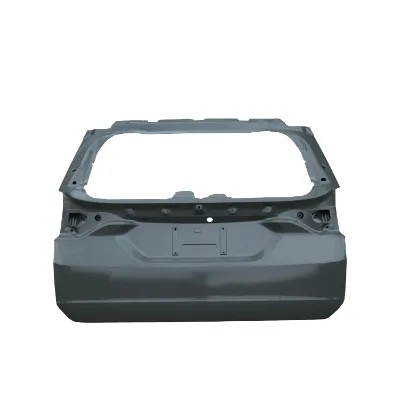
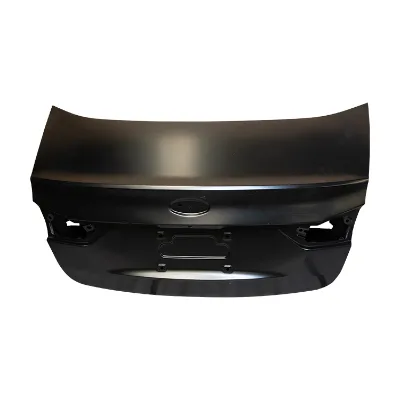


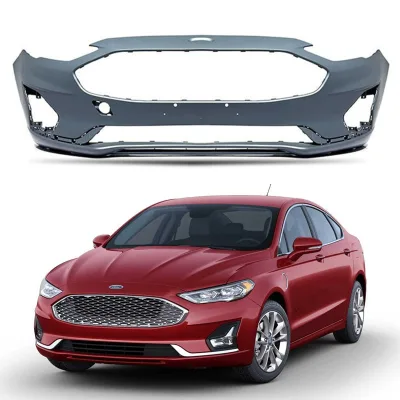


Comprehensive Sourcing Guide
Forged Rear Trunk Lid Sourcing Guide
Sourcing a forged rear trunk lid requires a nuanced understanding of manufacturing processes, material properties, and automotive fitment standards. Unlike stamped steel alternatives, forged components offer superior structural integrity and weight reduction, making them ideal for performance-oriented or heavy-duty vehicle applications. Buyers must navigate a complex supply chain that spans raw material selection, precision machining, and surface treatment. This guide provides evidence-based procurement strategies to help sourcing professionals evaluate suppliers, verify technical specifications, and mitigate risks associated with custom automotive body parts.
The market for forged trunk lids is characterized by high customization demands and strict quality control requirements. Suppliers often operate in specialized industrial hubs, such as Changzhou and Ningbo in China, where advanced machining and die-casting capabilities are concentrated. Procurement teams must distinguish between generic aftermarket parts and OEM-equivalent components, ensuring that each part meets the specific dimensional tolerances and material grades required for their target vehicle models. This guide outlines the critical steps for validating supplier capabilities and ensuring long-term supply chain stability.
Product Scope and Observed Listing Signals
The observed product listings reveal a diverse range of trunk lid variants, primarily targeting Chevrolet models such as the Onix, Cavalier, and Malibu. These listings indicate that suppliers offer parts for specific model years, such as the Cavalier 2017-2018 and Malibu 2012-2015, suggesting a focus on precise fitment rather than universal compatibility. The presence of multiple product names for similar components highlights the importance of verifying the exact part number and vehicle application before placing orders. Buyers should note that while some listings mention "forged" processes, others describe die-casting or CNC machining, requiring careful distinction between manufacturing methods.
Material composition varies across the observed listings, with steel, alloy, and aluminum being the primary materials mentioned. This variation suggests that suppliers cater to different performance and cost requirements, with aluminum and alloy options likely offering weight savings compared to standard steel. The listings also indicate that customization is available, allowing buyers to request specific finishes or modifications. However, the diversity in materials and processes underscores the need for rigorous verification of material certificates and manufacturing methods to ensure the final product meets the intended structural and aesthetic standards.
Technical Specifications to Verify
Buyers must verify the dimensional accuracy and tolerance grades of the forged trunk lids, as these factors directly impact fitment and assembly. The observed listings mention tolerance grades such as Grade 6, which indicates a specific level of precision in manufacturing. Additionally, specifications like "as original size" suggest that suppliers aim to replicate OEM dimensions, but buyers should request detailed engineering drawings and tolerance maps to confirm compatibility with their vehicle chassis. Verifying these technical details is crucial to avoid costly rework or installation issues during the assembly process.
Surface treatment and finishing processes are equally critical for ensuring durability and aesthetic quality. Listings mention surface preparations such as spray coating, passivation, and polishing, which protect the metal from corrosion and enhance visual appeal. Buyers should inquire about the specific surface treatment methods used, as these affect the part's resistance to environmental factors and long-term wear. Furthermore, verifying the machining processes, such as CNC machining or precision die casting, helps ensure that the internal structure and external finish meet the required quality standards for automotive applications.
Compliance and Safety Documentation
Compliance with international standards is essential for ensuring the safety and reliability of forged trunk lids. The observed listings reference standards such as ISO 9001, RoHS, GB, ASTM, DIN, BS, EN, JIS, GOST, and ASME, indicating that suppliers may adhere to various quality and environmental regulations. Buyers should request documentation proving compliance with these standards, particularly those relevant to their target market. Verifying certification status helps mitigate risks associated with non-compliant products and ensures that the parts meet legal and safety requirements in the destination country.
Safety documentation also includes material safety data sheets and test reports that verify the structural integrity of the forged components. Buyers should ask for evidence of stress testing, fatigue analysis, and impact resistance tests to confirm that the trunk lids can withstand operational loads. Additionally, verifying that the manufacturing processes adhere to environmental regulations, such as RoHS, ensures that the parts do not contain hazardous substances. This documentation is crucial for maintaining brand reputation and avoiding regulatory penalties in international markets.
Cost Drivers and Commercial Terms
The cost of forged rear trunk lids is influenced by several factors, including material selection, manufacturing complexity, and customization requirements. Aluminum and alloy materials typically command higher prices than steel due to their superior strength-to-weight ratio and processing costs. Customization options, such as specific surface treatments or modified dimensions, can also increase the unit price. Buyers should analyze the cost breakdown to understand how these factors impact the final price and negotiate terms that align with their budget constraints.
Commercial terms, including minimum order quantities (MOQ) and packaging requirements, play a significant role in procurement planning. The observed listings indicate MOQs ranging from 1 to 200 units, offering flexibility for both small-scale and bulk purchases. Packaging methods, such as carton boxes, wooden packages, or plywood cases, vary depending on the supplier and order size. Buyers should clarify these terms early in the negotiation process to avoid unexpected costs and ensure that the products are protected during transit. Understanding these commercial dynamics helps in optimizing inventory levels and managing cash flow effectively.
Supplier Qualification and Quality Control
Supplier qualification is a critical step in ensuring the reliability of forged trunk lid procurement. Buyers should assess suppliers based on their manufacturing capabilities, quality control systems, and track record in the automotive industry. The observed listings mention origins in Changzhou and Ningbo, China, regions known for their advanced manufacturing infrastructure. Buyers should verify the supplier's production facilities, equipment, and workforce expertise to ensure they can consistently produce high-quality parts. Conducting on-site audits or third-party inspections can provide valuable insights into the supplier's operational standards.
Quality control measures should be integrated into the procurement process to minimize defects and ensure product consistency. Buyers should request detailed quality control plans that outline inspection points, testing procedures, and acceptance criteria. Verifying the supplier's ability to provide traceability for raw materials and finished products is also essential. Establishing clear communication channels and regular feedback loops with the supplier helps address any quality issues promptly. Implementing a robust quality control framework ensures that the forged trunk lids meet the required specifications and performance standards.
Long-Term Procurement Checks
Long-term procurement success depends on establishing a sustainable relationship with suppliers and continuously monitoring performance. Buyers should implement regular performance reviews to assess supplier reliability, quality consistency, and responsiveness to issues. Tracking key performance indicators, such as defect rates, delivery times, and customer satisfaction, helps identify areas for improvement. Maintaining open communication and providing constructive feedback fosters a collaborative environment that drives continuous improvement in product quality and service levels.
Adapting to market changes and technological advancements is crucial for staying competitive in the automotive parts industry. Buyers should stay informed about emerging materials, manufacturing techniques, and regulatory requirements that may impact their procurement strategy. Regularly updating supplier qualification criteria and quality control standards ensures that the supply chain remains resilient and compliant. By proactively managing these long-term checks, buyers can secure a stable supply of high-quality forged rear trunk lids and support their business growth in the dynamic automotive market.
FAQs
What materials are used for forged trunk lids?
Trunk lids are typically manufactured from steel, alloy, or aluminium. The specific material choice depends on the vehicle model and performance requirements. Steel offers durability, while aluminium provides weight reduction. Alloy variants balance strength and cost. Buyers should verify the material grade to ensure compatibility with their assembly line standards and corrosion resistance needs.
Can trunk lids be customized for specific car models?
Yes, customization is available for various car models including Chevrolet Onix, Cavalier, and Malibu. Manufacturers offer tailored solutions to match original size specifications. Buyers can request specific dimensions or design adjustments. This ensures precise fitment and functionality. Customization options allow for brand-specific branding or structural modifications to meet unique engineering requirements.
What certifications do trunk lid manufacturers hold?
Manufacturers often hold ISO 9001 and RoHS certifications. These standards ensure quality management and environmental compliance. Some products also adhere to GB, ASTM, DIN, and JIS standards. Buyers should verify specific certifications relevant to their region. Compliance with these standards guarantees consistent quality and safety, facilitating smoother international trade and regulatory approval processes for automotive components.
How are trunk lids packaged for shipping?
Packaging typically includes one to two pieces in a carton box. Wooden packages or plywood cases are also used for larger orders. Customized packaging options are available to protect the product during transit. Buyers can specify requirements based on logistics needs. Proper packaging prevents damage and ensures the trunk lids arrive in pristine condition, ready for immediate installation or storage.
Where are these trunk lids manufactured?
Manufacturing locations include Changzhou and Ningbo in China. Jiangsu is also a key production region. These areas are known for robust automotive parts industries. Buyers can source directly from these origins. Knowing the location helps in calculating logistics costs and lead times. It also allows for facility audits and relationship building with established manufacturing hubs in China.
What surface treatments are applied to trunk lids?
Surface treatments include spray coating, passivation, and polishing. These processes enhance corrosion resistance and aesthetic appeal. Spray coating provides a durable finish, while passivation protects metal surfaces. Polishing offers a smooth, refined look. Buyers should select treatments based on environmental exposure and design preferences. Proper surface preparation ensures longevity and maintains the visual quality of the trunk lid over time.